





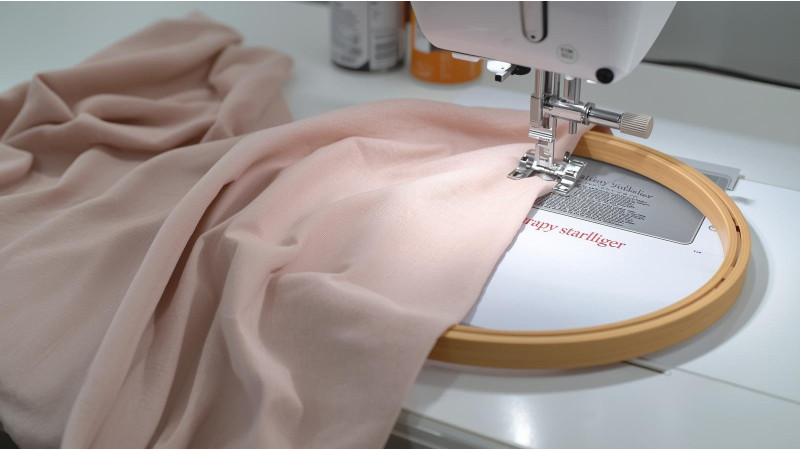
Embroidering on Stretch Fabric Without Puckering: Complete Guide
Stretch fabrics such as jersey, spandex, rib knit, lycra, and athletic wear offer comfort and flexibility, but embroidering on them can be challenging. Puckering, distortion, tunneling, and uneven outlines are common issues caused by the fabric stretching during stitching. This guide explains how to stabilize, hoop, and digitize correctly so your embroidery remains smooth, clean, and professional on any stretch material. For additional reading, you can explore this helpful guide on avoiding fabric stretch during embroidery from Crewel Ghoul.
Why Stretch Fabrics Pucker During Embroidery
Puckering happens when the fabric moves more than the stitches can support. Stretch fabric naturally shifts and pulls under tension, and if not stabilized properly, this movement causes:
- Wrinkles around the design
- Satin borders sinking into the fabric
- Distorted or stretched shapes
- Loose fills and gaps
These issues are well explained in multiple professional resources including Madeira’s puckering prevention guide.
Best Stabilizers for Stretch Fabrics
The stabilizer is the key factor in preventing puckering. For stretch fabrics, a cut-away stabilizer works best because it anchors stitches permanently.
Recommended Stabilizers
- No-Show Mesh Cut-Away: Best for t-shirts, lightweight knits, baby clothes.
- Standard Soft Cut-Away: Ideal for heavier stretch fabrics like sweatshirts or hoodies.
- Fusible Poly Mesh: Iron-on mesh prevents the fabric from stretching while hooping.
- Water-Soluble Topping: Used on top to keep stitches from sinking into soft knits and ribbed fabrics.
More stabilizer guidance can be found in this article from Digitizing Made Easy.
Hooping Techniques to Prevent Stretching
1. Hoop Both Fabric and Stabilizer Together
The fabric should be hooped without stretching. It should lay flat and smooth like a drum, but not pulled out of shape. If stretched during hooping, it will relax after stitching, causing puckering.
2. Use Temporary Adhesive Spray
Spray adhesive helps hold the fabric to the stabilizer and prevents movement during stitching, especially for high-stretch materials like lycra.
3. Floating Method for Very Stretchy Fabric
If hooping directly causes distortion, float the fabric:
- Hoop the stabilizer only
- Lightly spray the fabric with adhesive
- Place the fabric onto the hooped stabilizer
- Add a basting box around the design
4. Use a Basting Stitch
A basting box secures the fabric in place before stitching starts, dramatically reducing puckering on stretchy materials.
Digitizing Adjustments for Stretch Fabrics
1. Reduce Stitch Density
Dense stitching pulls the fabric inward. Reduce fill density to around 0.45–0.50 mm and satin density to 0.40–0.45 mm for best results. Incorrect density is one of the main mistakes mentioned in Kimberbell’s guide on stretchy fabrics.
2. Add Light Underlay
Use edge-run or contour underlay to stabilize shapes without adding unnecessary bulk.
3. Increase Pull Compensation
Stretch fabrics tend to shrink under stitching. A pull compensation of 0.1–0.3 mm helps maintain the correct outline.
4. Avoid Large Dense Fills
Large solid areas cause fabric distortion. Break large shapes into smaller sections or use lighter patterns like tatami or motif fills.
5. Widen Satin Borders
A satin width of 2.0–2.5 mm hides natural push-pull and keeps edges clean.
Machine Settings for Pucker-Free Embroidery
1. Slow Down the Machine
Lowering the speed by 20–30% reduces fabric vibration and stretching.
2. Use the Correct Needle
- Ballpoint Needle: For jersey and rib knit
- Stretch Needle: For lycra, spandex, swimwear, athletic fabrics
- 75/11 size: Best for most stretch materials
3. Use Polyester Thread
Polyester thread has elasticity suitable for stretch fabrics and prevents breakage better than rayon.
Common Mistakes That Cause Puckering
- Poor hooping tension
- Using tear-away stabilizer instead of cut-away
- High stitch density
- Incorrect needle type
- No underlay or excessive underlay
- Choosing the wrong design for stretch fabric
Best Design Types for Stretch Fabrics
Some designs work better than others on stretchy materials:
- Light-density fills
- Open designs and line art
- Motifs, running stitches, bean-stitch patterns
- Appliqué
If your fabric is already puckering, this guide from Stitch Floral shows what to do next.
Testing Before Final Stitching
Stretch fabrics vary greatly. Always test the design on a scrap piece of the same material. Adjust density, pull compensation, and stabilizer until the result is smooth and flat.
Conclusion
Embroidering on stretch fabric without puckering is entirely achievable with the right combination of stabilizer, hooping methods, digitizing adjustments, and machine settings. By reducing density, supporting the fabric properly, and preventing distortion during stitching, your embroidery will remain crisp, smooth, and perfectly aligned on even the stretchiest materials.
Related Products
Leave a comment