





Design Too Dense for Thin Fabric? How to Adjust Without Distortion
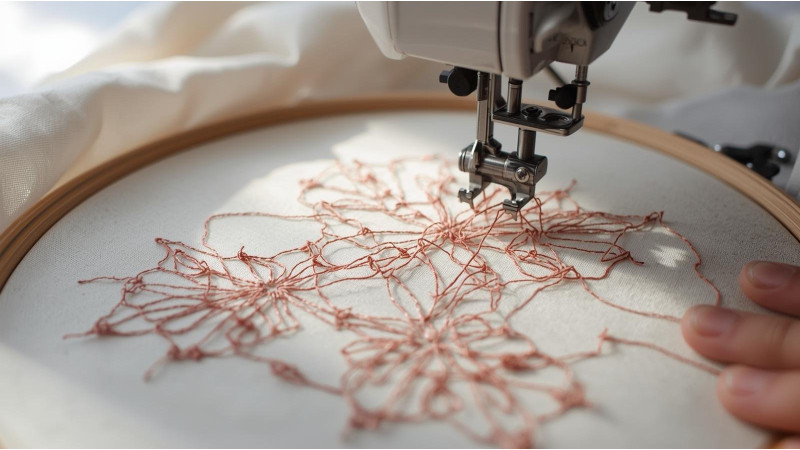
Embroidery on delicate fabrics like rayon, viscose, chiffon, cotton lawn, and lightweight knits can easily distort when the design is too dense. Excessive stitches may cause puckering, wrinkling, fabric tunneling, and misshaped outlines. Fortunately, with careful adjustments, you can stitch even intricate designs cleanly without compromising quality. For detailed guidance on digitizing for thin fabrics, see Impressions Magazine.
Why Dense Designs Distort Thin Fabric
Thin fabrics cannot hold heavy stitch counts or aggressive underlay. When the needle penetrates too many times in a small area, the material stretches and shifts. Common issues explained by:
- Puckering around satin or fill areas
- Fabric bunching underneath stitches
- Thin lines sinking into the fabric
- Misshaped outlines due to push and pull
- Wrinkles that remain even after pressing
How to Check If a Design Is Too Dense
Evaluate your design before stitching. Royal Present Embroidery provides excellent visual references for density checks:
- Satin density below 0.35 mm or fill density below 0.40 mm is often too tight for thin fabrics
- Excessive underlay (edge-run + zigzag + fill) adds stress
- Large objects filled with high density
- Multiple overlapping layers of fill stitches
- Small text with satin columns under 2 mm wide
Best Ways to Adjust Density for Thin Fabrics
1. Reduce Stitch Density
Adjust satin density to 0.40–0.45 mm and fill density to 0.45–0.50 mm. This reduces stress on the fabric while keeping adequate coverage. More density tips are available at Digitizing USA.
2. Remove Excess Underlay
Thin fabrics usually require only one type of underlay. Recommended options from Cre8iveSkill:
- Satin: use either edge-run or zigzag, not both
- Fill: light tatami underlay only
Too many underlay layers are a leading cause of distortion.
3. Increase Pull Compensation Slightly
Light fabrics stretch easily. Adding 0.1–0.2 mm extra pull compensation prevents outlines from shrinking inward. Learn more from Embroidery Embrace.
4. Adjust Stitch Length
Increase fill stitch length to reduce perforation and stress on the fabric.
5. Avoid Heavy Satin Columns
Replace wide satin columns (over 7 mm) with low-density fill stitches to prevent excessive fabric pull.
6. Use a Layer of Water-Soluble Stabilizer on Top
This prevents stitches from sinking into soft fabrics. Combine with cut-away stabilizer underneath for best results.

7. Use the Right Stabilizer Underneath
Thin fabrics need strong but flexible backing. No-show mesh or lightweight cut-away stabilizers work well. Guidance is available at Royal Present Embroidery.
8. Test-Sew With a Density Preview
Always run a test stitch on scrap fabric. Some software, including Sassy Digitizing, offers virtual stitch previews that highlight density hotspots for adjustments before hooping.
How to Fix Purchased Designs That Are Too Dense
If you cannot edit individual objects, professional digitizers like DigiTemb recommend:
- Use software tools for density reduction or stitch thinning
- Remove one layer of overlapping fills
- Convert thick satin areas to fill stitches manually
- Use a stabilizer sandwich: cut-away below, water-soluble on top
- Slow down machine speed by 15–20% to reduce fabric pulling
When to Avoid Thin Fabric Entirely
Some designs are unsuitable for delicate materials, including:
- Large filled areas with high density
- Heavy 3D or puff effects
- Multiple layers of appliqué
- Very small text with thick satin stitches
Final Tips for Clean Results
- Hoop fabric tightly to prevent distortion
- Use temporary spray adhesive to prevent shifting
- Trim stabilizer carefully to avoid stretching post-stitch
- Choose lighter digitizing styles for soft fabrics
Related Tutorials & Guides
- YouTube: Tips for Thin Fabric Embroidery
- Hatch Embroidery – Avoid Jump Stitches
- Stop Jump Stitches – Sivo Blog
- Needlework Craft Gossip – Remove Jump Stitches
- Latest Embroidery – Reduce Jump Stitches
Conclusion
Adjusting density, underlay, stitch length, and pull compensation is essential for stitching clean embroidery on thin fabrics without distortion. Use the right stabilizer, test-sew, and consider software previews to achieve professional results. Combining these techniques ensures delicate fabrics maintain their natural drape while showcasing crisp, detailed embroidery.
Leave a comment