





0
62
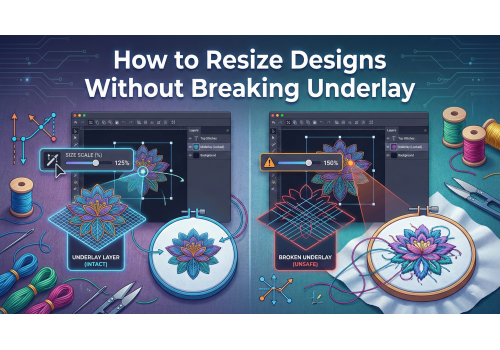
How to Resize Designs Without Breaking Underlay
Resizing embroidery designs looks easy, but beneath every stitch lies a complex structure o..
0
107
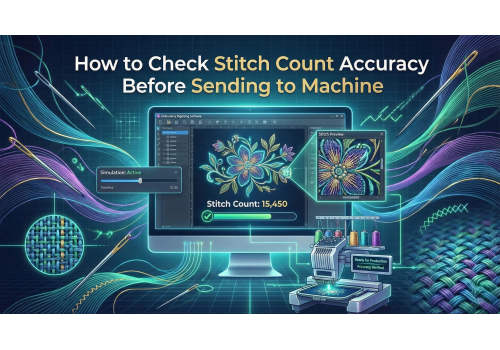
How to Check Stitch Count Accuracy Before Sending to the Machine
Checking stitch count accuracy is one of the most important steps in embroidery ..
0
126
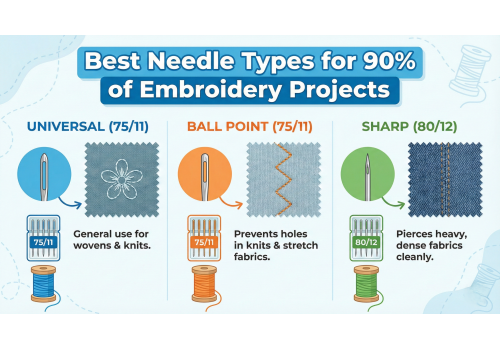
Best Needle Types for 90% of Embroidery Projects
Selecting the right needle is a quiet decision with loud consequences. Even when your
..
0
94
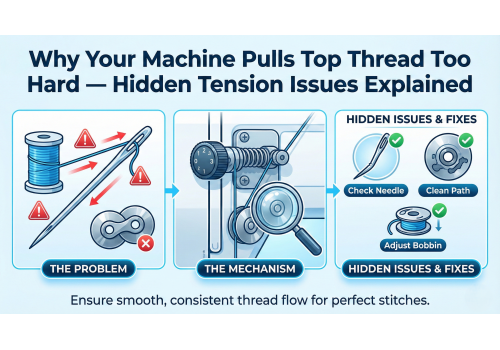
Why Your Machine Pulls Top Thread Too Hard — Hidden Tension Issues
When the embroidery machine pulls the top thread with the force of a stu..
0
25
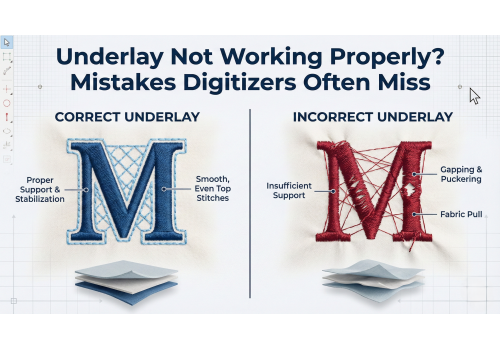
Underlay Not Working Properly? Mistakes Digitizers Often Miss
Underlay is the quiet architecture beneath every clean embroidery design — the hidde..
0
126
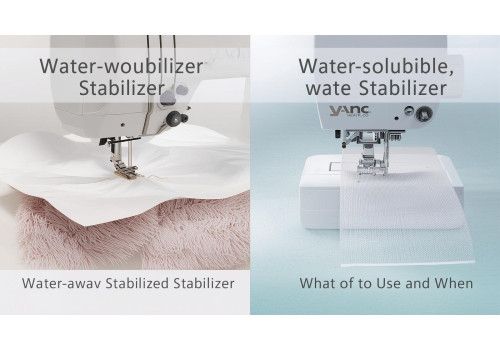
Water-Soluble vs Tear-Away Stabilizer: What to Use and When
Water-Soluble vs Tear-Away Stabilizer: What to Use and When
Choosing the ri..
0
72
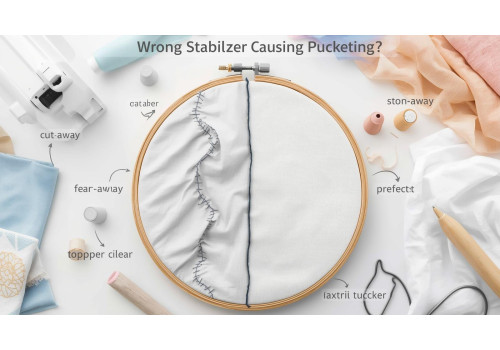
Wrong Stabilizer Causing Puckering? How to Choose the Right Type
Puckering—that frustrating wrinkling or bunching around your stitches—is often cause..
0
132
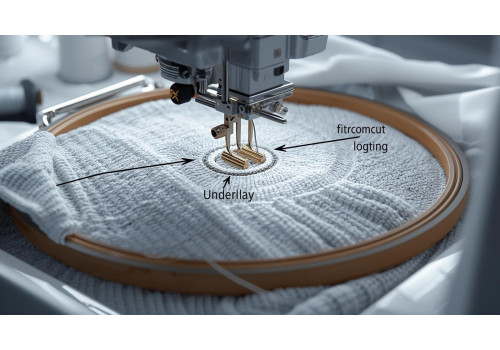
Embroidery on Knitwear: Avoid Loops, Gaps, and Stretch Pull
Knitwear behaves like a living creature—stretchy, responsive, unpredictable. Sweaters, ho..
0
49
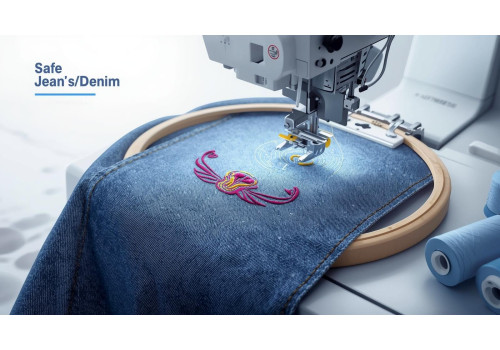
Embroidery on Denim: Avoid Thread Breaks and Needle Wear
Denim is a thick, durable fabric, but its heavy weave can create challenges for machine embr..
0
54
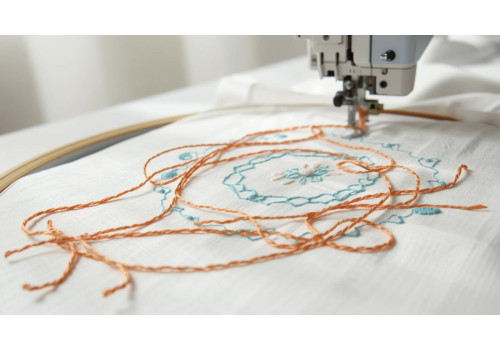
Thread Trimming Points Missing? How to Clean Up Bad Digitizing
One of the most noticeable signs of poor digitizing is missing thread trimming points...
0
45
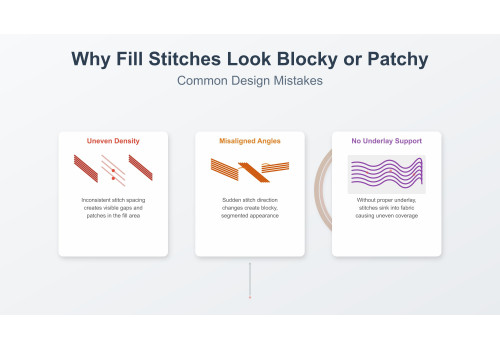
Why Fill Stitches Look Blocky or Patchy — Common Design Mistakes
Fill stitches are the backbone of large embroidery areas. When digitized correctly..
0
103
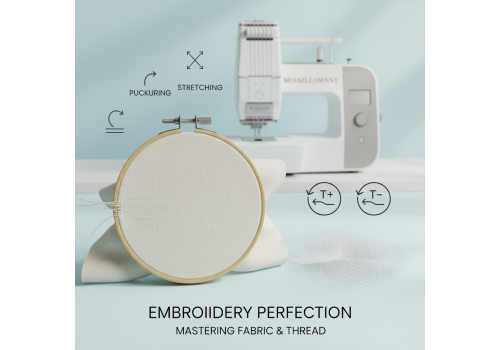
Why Your Embroidery Design Looks Distorted: Top 10 Causes and Fixes
Embroidery distortion can feel discouraging, especially when your design looks ..
Showing 1 to 12 of 12 (1 Pages)